
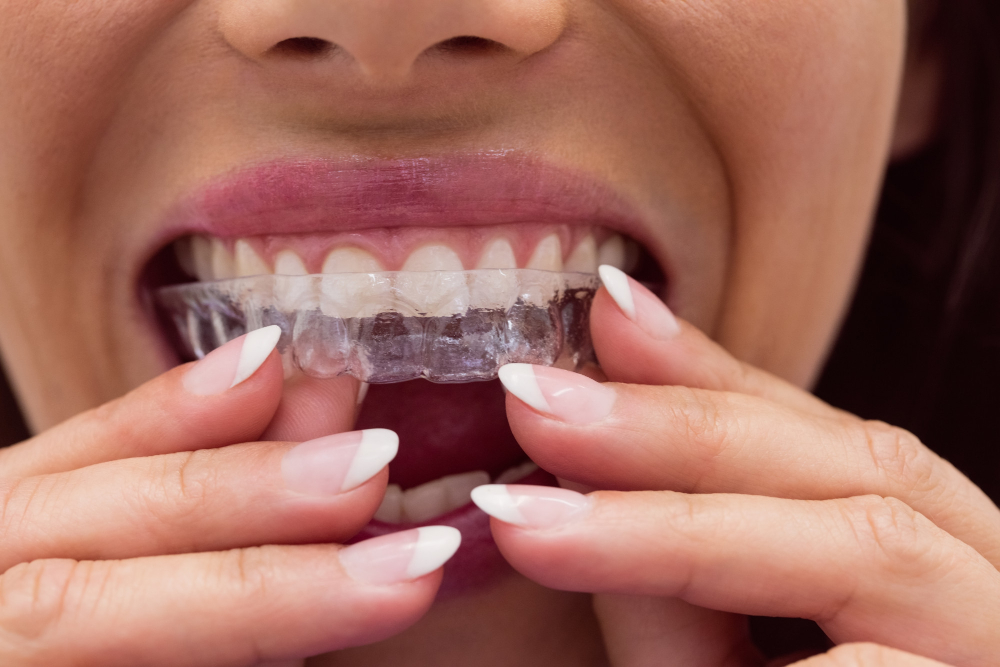
When most people think about braces or Invisalign, they think about appearance — a straighter, more attractive smile. And while a confident smile is absolutely a worthy goal, the health benefits of properly aligned teeth extend far beyond aesthetics. At MBraces, we want every patient in Bristol, Rocky Hill, and Waterbury to understand the full picture of why orthodontic treatment matters for lifelong dental and overall health.
Straight Teeth Are Easier to Clean
This is the most direct and immediate health benefit of orthodontic treatment. When teeth are crowded, overlapping, or rotated, they create sheltered spaces that a toothbrush cannot reach and that floss cannot navigate. Plaque — the bacterial film that causes tooth decay and gum disease — accumulates in these spaces continuously.
Patients with crowded or overlapping teeth are statistically more likely to develop cavities between teeth, experience gum inflammation (gingivitis), and progress to more serious periodontal disease over time. Straightening teeth removes these hard-to-clean traps, making your entire oral hygiene routine more effective. Our Brushing and Flossing guide explains proper technique during treatment.
Properly Aligned Teeth Wear More Evenly
Your teeth are designed to work together as a balanced system. When the bite is off — whether due to an overbite, underbite, crossbite, or teeth that are crowded into unnatural positions — the force of chewing is distributed unevenly. Over time, this uneven pressure causes accelerated wear on the teeth that bear most of the load.
Heavily worn enamel is weakened enamel. Once tooth enamel is worn down, it cannot regenerate. This can lead to increased sensitivity, a higher risk of cracks, and eventually the need for crowns or other restorative work. Correcting bite issues with orthodontic treatment distributes chewing forces evenly, protecting enamel from premature wear.
Bite Problems Can Contribute to Jaw Pain and TMJ Disorders
The temporomandibular joints — the joints that hinge your jaw — are complex structures that depend on the teeth for proper alignment and support. When the bite is significantly misaligned, the jaw muscles work harder and in abnormal patterns to compensate. Over time, this can contribute to jaw pain, muscle tension, headaches, and TMJ dysfunction.
While not all jaw pain is caused by bite problems, correcting a significant malocclusion as part of comprehensive orthodontic treatment can relieve strain on these joints and reduce associated symptoms in many patients.
Gaps and Spaces Affect Gum Health
Spaces between teeth are not just cosmetic concerns. Gaps allow food to pack directly into the gum tissue between teeth, leading to chronic irritation and inflammation. Over time, persistent gum inflammation can progress to gum disease and, in severe cases, bone loss around the affected teeth. Closing these spaces with orthodontic treatment removes this ongoing source of irritation.
Protruding Teeth Are More Vulnerable to Injury
Upper front teeth that protrude significantly — a condition called overjet — are at substantially elevated risk of trauma from falls, sports impacts, or accidents. Studies have shown that protruding front teeth are more than twice as likely to be fractured or completely knocked out in an injury compared to teeth in normal position. Early orthodontic treatment that reduces overjet in children provides meaningful protection against this kind of injury during the active years.
The Psychological and Social Benefits Are Real Too
It would be incomplete to discuss the benefits of orthodontic treatment without acknowledging the genuine psychological impact of a confident smile. Research consistently shows that people who are unhappy with their teeth are more likely to smile less, feel less confident in professional and social settings, and experience lower self-esteem. For children and teenagers especially, the social benefits of a healthy, aligned smile during the formative years can be significant.
Many adult patients at MBraces describe their orthodontic treatment as one of the best investments they ever made — not just for their health, but for their confidence and quality of life.
Learn More and Schedule Your Free Consultation
If you have questions about how orthodontic treatment can benefit your health or the health of your child, the best first step is a free consultation at MBraces. We serve patients across Bristol, Rocky Hill, Waterbury, and the surrounding communities of central Connecticut.
Call Bristol at (860) 589-3316, Rocky Hill at (860) 563-6563, or Waterbury at (203) 754-7822. You can also request an appointment online at any time.
Frequently Asked Questions — Oral Health and Straight Teeth
Does insurance cover orthodontic treatment if it is medically recommended?
Many insurance plans include orthodontic benefits regardless of whether treatment is sought for cosmetic or functional reasons. Coverage varies significantly by plan. At MBraces, our team will review your insurance and provide a clear breakdown of your benefits before treatment begins. We also accept Husky.
Can gum disease be treated while wearing braces?
Active gum disease should ideally be treated and stabilized before orthodontic treatment begins. However, if minor gum inflammation develops during treatment, it can often be managed with improved oral hygiene and professional cleaning. Dr. Mazumder works closely with patients’ general dentists and periodontists to coordinate care when needed.
Will fixing my bite help with jaw pain?
Correcting a significant bite problem can reduce strain on the jaw muscles and joints in many patients. However, jaw pain has multiple potential causes, and orthodontic treatment is not a guaranteed treatment for TMJ pain. Dr. Mazumder will assess your bite and jaw function during your consultation and discuss realistic expectations.
At what point does crowding become a health issue rather than just a cosmetic one?
Even mild crowding creates cleaning challenges that increase cavity and gum disease risk over time. More significant crowding amplifies these risks considerably. Any crowding that prevents thorough brushing and flossing is a health concern, not merely cosmetic. Dr. Mazumder will assess the clinical significance of any crowding at your evaluation.
Can orthodontic treatment help with bad breath?
Persistent bad breath is often caused by bacteria accumulating in hard-to-reach areas around crowded or misaligned teeth. By improving alignment and making oral hygiene more effective, orthodontic treatment can reduce this bacterial buildup and improve breath in many patients.