
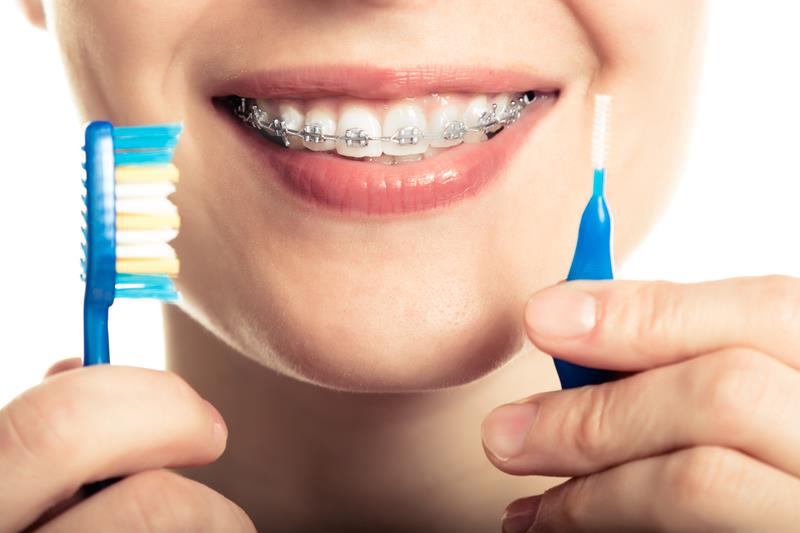
Brushing & Flossing With Braces — Oral Hygiene Guide for Bristol, Rocky Hill & Waterbury Patients
Maintaining excellent oral hygiene while wearing braces is one of the most important things you can do to protect your teeth and ensure a beautiful result when treatment is complete. At Mbraces, we take time with every patient at our Bristol, Rocky Hill, and Waterbury offices to demonstrate proper brushing and flossing technique so that keeping your teeth clean throughout treatment is as easy as possible.
Why Oral Hygiene Is So Important During Orthodontic Treatment
Braces create additional surfaces where plaque — the sticky film of bacteria that leads to cavities and gum disease — can accumulate. Brackets, wires, and bands all provide extra hiding spots for food particles and bacteria that a standard brushing routine may miss. Patients who do not brush and floss diligently during treatment risk developing white spot lesions (early tooth decay), cavities, swollen gums, and even gum disease. These issues can delay treatment and negatively affect your final results.
The good news is that excellent oral hygiene with braces is entirely achievable — it simply requires a bit more attention to technique and timing. Our team is always available to answer questions and demonstrate the best approach for your specific appliance.
How to Brush With Braces
We recommend brushing after every meal and snack — at minimum three to four times per day. Use a soft-bristled toothbrush or an electric toothbrush and a fluoride toothpaste. Begin by rinsing your mouth with water to loosen any food debris. Then brush at a 45-degree angle above and below each bracket, paying careful attention to the gumline. Work your way around all surfaces of every tooth — front, back, and chewing surface.
Take your time. Thorough brushing with braces typically takes two to three minutes. After brushing, rinse thoroughly and check your teeth and brackets in the mirror to make sure no visible food or plaque remains. A fluoride mouthwash used at the end of the day provides an additional layer of protection against cavities.
How to Floss With Braces
Flossing is just as important as brushing, but it requires a different approach when you have braces. You cannot simply slide floss down between teeth the way you normally would — the archwire is in the way. Instead, use a floss threader to guide the floss under the wire and then between each pair of teeth, working it gently up and down along both sides. Interdental brushes (small bottle-brush shaped tools) are also excellent for cleaning around brackets and under wires.
Water flossers are another highly effective tool for patients with braces. They use a pressurized stream of water to flush debris and plaque from around brackets, wires, and the gumline. They do not replace traditional flossing, but they are a helpful addition to your routine.
Choosing the Right Products
Not sure which toothbrush, toothpaste, or flossing tool is right for you? Our team is happy to make personalized recommendations based on your appliance, the sensitivity of your gums, and your specific needs. Products we commonly recommend include soft-bristled orthodontic toothbrushes, fluoride toothpaste, floss threaders, interdental brushes, and fluoride rinses. Just ask at your next appointment at any of our Bristol, Rocky Hill, or Waterbury offices.
For additional guidance on caring for your appliances, visit our Life With Braces page or learn what to do if you experience an orthodontic emergency. Our team at all three locations is always here to help — call (860) 589-3316 for Bristol, (860) 563-6563 for Rocky Hill, or (203) 754-7822 for Waterbury.
Frequently Asked Questions — Brushing & Flossing With Braces
How often should I brush my teeth with braces?
You should brush after every meal and snack — ideally three to four times per day at a minimum. Leaving food particles and plaque on your teeth and brackets for extended periods significantly increases the risk of cavities and gum disease during treatment.
Can I use an electric toothbrush with braces?
Yes, and many patients find that an electric toothbrush with a soft brush head does an excellent job cleaning around brackets and along the gumline. The oscillating motion helps dislodge plaque more effectively than manual brushing. Just be sure to use gentle pressure to avoid dislodging brackets.
How do I floss with braces on?
Use a floss threader to guide floss under the archwire between each pair of teeth. Slide the floss gently up and down along both sides of each tooth and under the gumline. Interdental brushes and water flossers are also excellent tools for cleaning around your braces.
What happens if I do not brush and floss properly with braces?
Poor oral hygiene during orthodontic treatment can lead to white spot lesions (permanent marks left by early tooth decay), cavities, gum swelling, and even gum disease. These problems can extend your treatment time and compromise your final results. Thorough brushing and flossing are essential every single day.
Are there special toothpastes or mouth rinses I should use?
A fluoride toothpaste is recommended for all orthodontic patients. A daily fluoride mouth rinse used at the end of the day provides additional cavity protection, especially around brackets. If you have questions about specific products, our team is happy to make personalized recommendations at any of our offices.
How do I clean under the archwire?
Interdental brushes — small, cone or bottle-brush shaped cleaning tools — are ideal for working in and around brackets and wires. Slide the brush gently under the wire and between brackets to remove plaque and food debris. Water flossers are also excellent for flushing debris from hard-to-reach areas.
Will my gums bleed when I floss with braces?
If you are new to flossing or have not been flossing consistently, some initial bleeding is normal and indicates mild gum inflammation. With regular, proper flossing, bleeding should stop within one to two weeks as your gum health improves. If bleeding persists, let our team know so we can evaluate your gum health.